We often hear about artificial intelligence (AI) doing amazing things—translating languages, generating art, driving cars, or even helping doctors diagnose illnesses. But here’s the truth that’s sometimes overlooked: AI can and does make mistakes. In fact, it’s a natural and necessary part of how AI gets better.
In this post, we’ll explore why AI makes errors, how it learns from those errors, and why this process isn’t so different from how humans learn too.
First Things First: What Is AI Really?
Before we talk about mistakes, let’s clear something up.
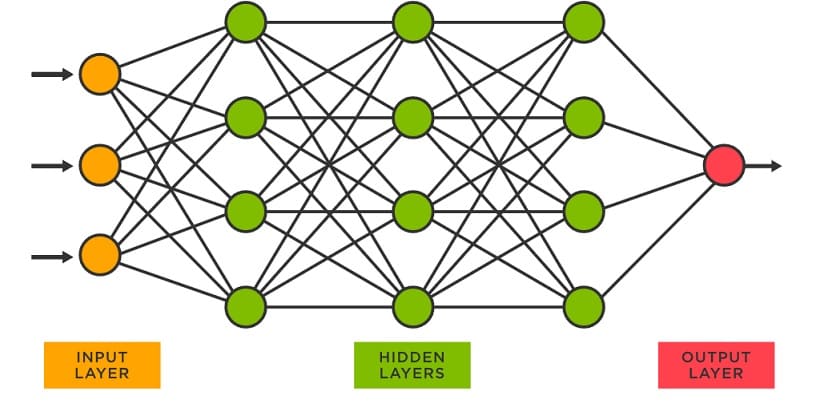
When we say “AI,” we usually mean machine learning—a type of AI that learns patterns from data instead of being manually programmed. Just like you might learn to recognize faces by seeing lots of them, a machine learning model learns by being fed examples. Lots of them.
For instance, if you show an AI thousands of pictures of cats and dogs labeled correctly, it can learn to tell the difference. That’s called training.
Why AI Makes Mistakes
Even after training, AI doesn’t get everything right. Here’s why:
1. Imperfect Data = Imperfect AI
AI learns from the data it’s given. If that data has errors, missing information, or is biased in some way, the AI can learn the wrong patterns.
For example:
- If you only show it pictures of dogs in the daytime, it might struggle to recognize dogs at night.
- If it’s trained mostly on images of one type of dog, it might not recognize other breeds well.
In short: Garbage in, garbage out.
2. AI Doesn’t “Understand” Like Humans Do
Even though AI can be very good at spotting patterns, it doesn’t understand the way we do. It doesn’t have common sense or intuition.
So, while a human might see that an animal is sitting weirdly but still recognize it as a dog, an AI might get confused if it hasn’t seen that pose before.
3. It’s All Probabilities, Not Certainties
AI often works by calculating the likelihood that something is correct. That means it can get close, but still be wrong.
It’s like guessing that someone’s mood is happy because they’re smiling. Usually right—but not always.
How AI Learns from Mistakes
Luckily, AI can improve over time. Here’s how that works.
1. Feedback Loops
AI systems get feedback—either from humans or from the results they produce. This feedback tells the AI what it got right and what it got wrong.
Think of it like this:
- An AI model mislabels a cat as a dog.
- A human corrects it.
- The AI updates itself to avoid making the same mistake again.
This process is called training with labeled data or fine-tuning.
2. Reinforcement Learning
In some cases, AI learns through trial and error, just like how you might learn to ride a bike. When it gets something right, it gets a “reward.” When it doesn’t, it gets a penalty.
Over time, it figures out which actions lead to better outcomes and adjusts its behavior.
This is the method behind things like game-playing AIs (like the one that beat humans at chess or Go).
3. Continuous Learning (Sometimes)
Some advanced AI systems can keep learning after they’re deployed. They collect new data, get feedback, and keep adjusting themselves.
This kind of AI is more adaptable—but also more complex to manage safely.
What This Means for You
So, what should you take away from this?
- AI is powerful, but not perfect. Mistakes are part of how it grows.
- AI depends heavily on data. The better and more diverse the data, the smarter the AI can become.
- AI learning is similar to how humans learn—by doing, failing, and trying again.
As AI continues to improve, it will make fewer mistakes—but we should always understand its limits and stay involved in guiding it.
In Summary
AI isn’t magic. It’s math, data, and learning from errors. Just like a student getting better with each homework assignment, AI improves through feedback, correction, and practice.
So the next time an AI chatbot gives you a weird answer or your smart assistant misunderstands you, don’t be too surprised—it’s all part of the learning journey.