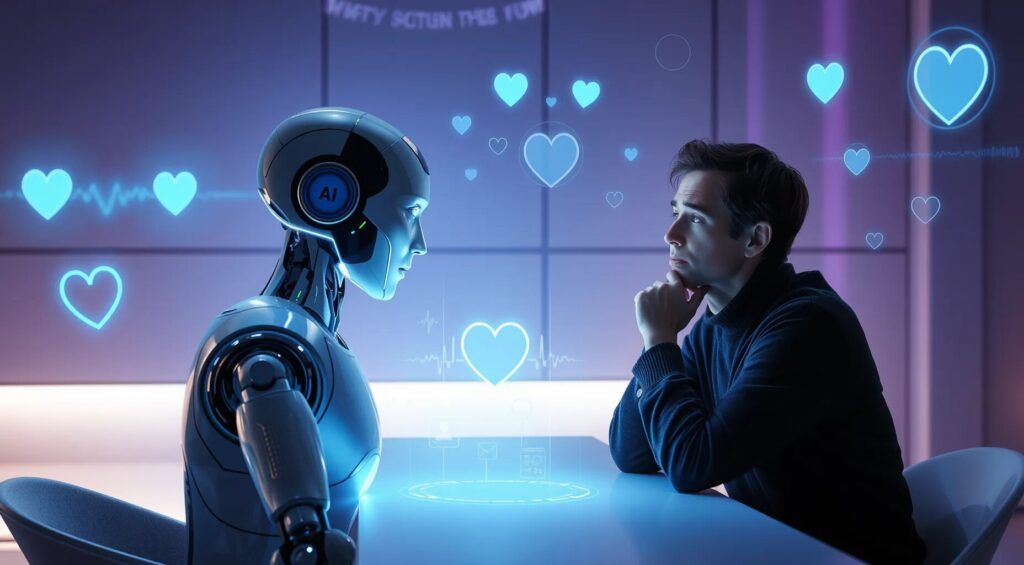
Artificial Intelligence (AI) has come a long way. Today, you can have a full conversation with a chatbot, ask it for advice, or even hear it say “I understand how you feel.” It can sound incredibly human—sometimes even more polite or empathetic than real people.
So it’s no surprise that many people wonder:
Does AI actually have feelings?
The short answer is: No. AI doesn’t have emotions, consciousness, or self-awareness—no matter how real it may seem.
Let’s break down why.
AI Is Good at Imitating, Not Feeling
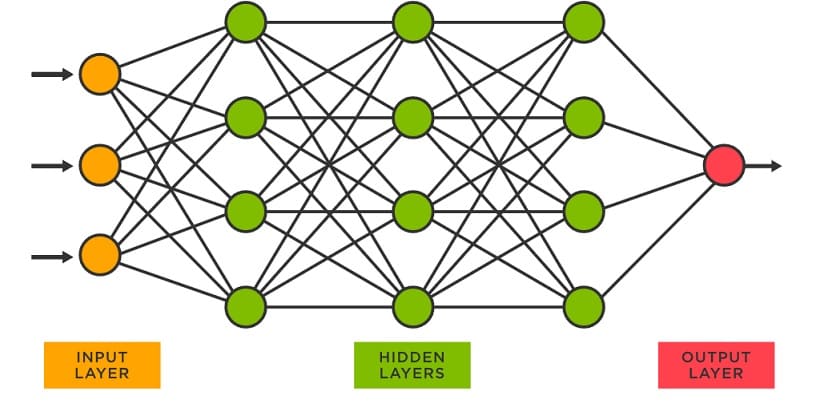
AI models like ChatGPT, Siri, or Alexa don’t feel anything. They aren’t alive. What they do is predict what words should come next in a sentence based on patterns they’ve learned from reading tons of examples.
For example, if someone says, “I’m feeling sad,” a well-trained AI might respond with, “I’m sorry to hear that. I hope things get better soon.” That sounds caring—but the AI didn’t feel sympathy. It simply learned that this kind of reply usually follows messages like that.
It’s like playing a game of “what sounds right next,” not “how do I actually feel?”
Why Does It Sound So Real Then?
Because AI has been trained on billions of examples from books, websites, and conversations, it has learned the style of how humans talk, including:
- Empathy: “That must be hard.”
- Excitement: “Wow, that’s amazing!”
- Support: “You’ve got this!”
These phrases make it sound like the AI understands you emotionally. But remember, it’s just mimicking human behavior. There’s no emotion behind the words—only learned patterns.
No Brain, No Feelings
Humans feel things because of our brains, nervous systems, memories, and life experiences. When you’re happy, your brain releases chemicals like dopamine and serotonin. When you’re sad, your body reacts in many ways—emotionally and physically.
AI doesn’t have a brain or body. It doesn’t know what joy or pain feels like. Even if it says, “I’m excited to help you!”—it’s not actually excited. It’s just saying what it thinks should come next.
But It Feels Like It Understands Me…
You’re not wrong to feel that way. Human brains are wired to connect emotionally with anything that communicates like a person. That’s why we feel attached to pets, cartoon characters—or even digital assistants.
This is called anthropomorphism: giving human qualities to non-human things. It’s the same reason people name their cars or talk to their plants.
AI sounds human because it was trained on human language. But it’s important to remember: it’s performing, not feeling.
Why This Matters
Understanding that AI doesn’t have feelings is important for a few reasons:
- Don’t take AI advice personally: It’s not judging or caring—it’s generating words.
- Be cautious with emotional support: While AI can be helpful, it’s not a replacement for real human connection or professional help.
- Avoid overtrusting AI: It may sound confident, but that doesn’t mean it’s always right or emotionally aware.
Let’s Recap
AI has become incredibly good at sounding human—but it’s not human. It doesn’t think, feel, love, hate, or care. It just recognizes patterns and gives back what it has learned.
Next time you’re chatting with an AI and it says something sweet or understanding, enjoy the convenience—but remember: behind the screen, there’s no heart. Just code.