If you’ve been online lately, you’ve probably seen headlines like:
- “AI creates realistic art in seconds!”
- “This AI wrote a full song!”
- “AI chatbots are changing how we work.”
What do all these have in common?
They’re powered by something called Generative AI.
But what exactly is generative AI? And why is it suddenly everywhere?
Let’s break it down in simple terms.
What Does “Generative AI” Mean?
The word “generative” comes from generate, which means to create something.
So, generative AI is a type of artificial intelligence that can create new content—like:
- Text (articles, stories, poems, emails)
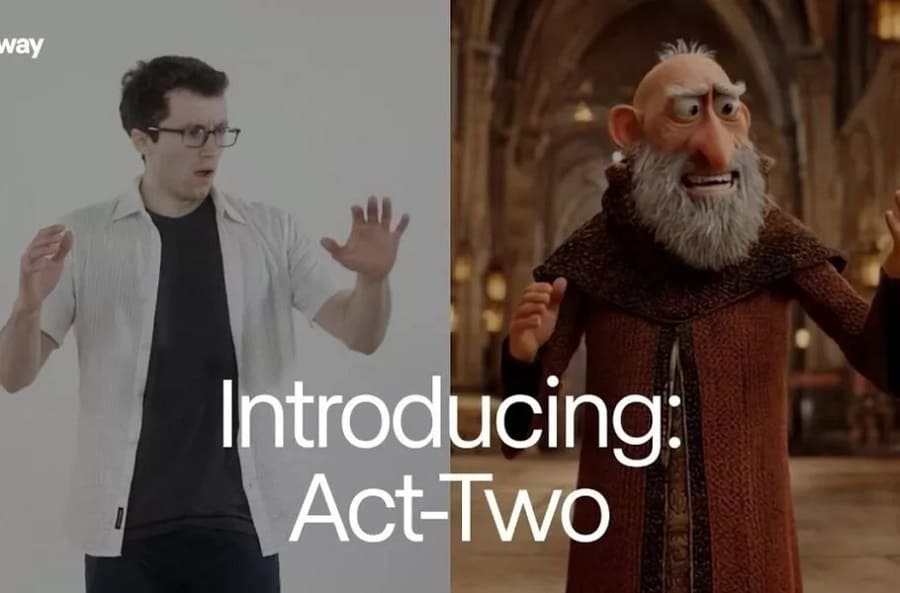
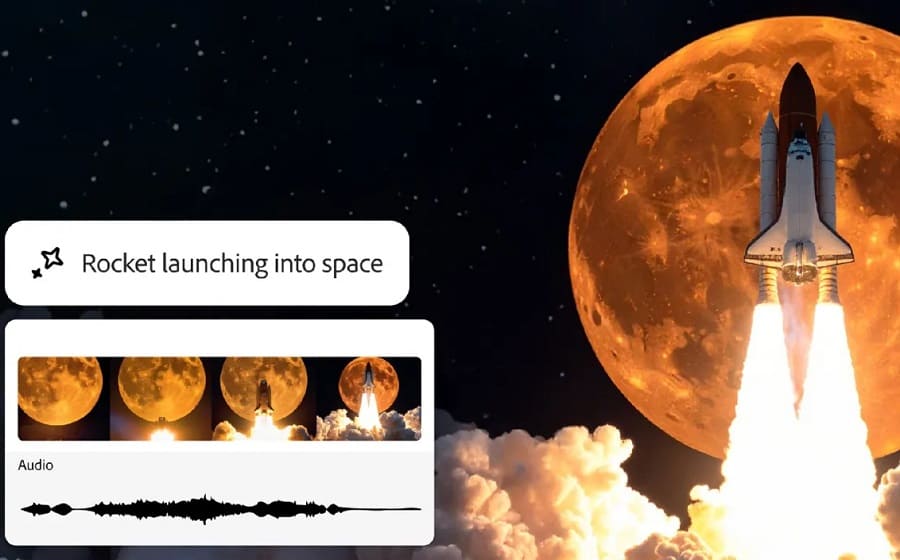
- Images (art, graphics, photos)
- Audio (music, voices, sound effects)
- Video (animated clips, deepfakes)
- Code (websites, apps, scripts)
Unlike older types of AI that just answered questions or sorted data, generative AI can produce brand new things—often with amazing quality.
How Does It Work?
Generative AI is trained on huge amounts of data—millions or even billions of examples. It looks for patterns in that data and learns how to create new things that fit those patterns.
Here’s a simple way to imagine it:
Think of generative AI like a very advanced version of predictive text on your phone. When you type “I’m going to the…”, your phone might suggest “store” or “gym” based on common patterns.
Generative AI does the same thing, but on a much bigger, more powerful level.
It doesn’t “copy and paste” from the internet—it generates new content based on everything it has learned.
Examples of Popular Generative AI Tools
There are many tools out there, but here are some of the most famous ones:
- ChatGPT – Writes human-like text and answers questions.
- DALL·E – Creates images from written descriptions.
- Midjourney – Makes stunning art based on text prompts.
- Stable Diffusion – A free tool to generate images from text.
- Synthesia – Makes realistic AI videos of talking avatars.
- Suno AI / Udio – Generates music and songs with lyrics.
All of these let people create things without needing advanced skills in writing, drawing, coding, or music.
Why Is Generative AI a Big Deal?
Generative AI is more than just a cool toy—it’s changing how we:
- Work: People are using it to write emails, design logos, brainstorm ideas, and even code software.
- Learn: Students and teachers use it to summarize topics, generate quizzes, and explain complex ideas.
- Create: Artists, writers, and musicians are experimenting with it to speed up their creative process.
- Save time: Tasks that once took hours can now take minutes (or even seconds).
In short, generative AI is giving everyday people superpowers—the ability to create professional-level content without years of training.
But Wait—Isn’t That Dangerous?
Generative AI is powerful, and like any powerful tool, it can be used in both good and bad ways.
Some concerns include:
- Fake news and misinformation
- Deepfake videos or voice cloning
- Job disruption in creative industries
- Bias in AI-generated content
- Plagiarism and copyright issues
Because of this, many companies and governments are working on AI safety rules, transparency, and ethical guidelines.
Will Generative AI Replace Human Creativity?
This is a big question—and the answer is: Not really.
AI is great at following patterns, but humans are still better at originality, emotion, and judgment. Generative AI is more like a helpful assistant than a replacement.
Think of it like this:
A calculator didn’t replace math teachers.
Photoshop didn’t replace artists.
And generative AI won’t replace creativity—it will simply expand it.
The real power comes when humans and AI work together.
Let’s Recap
Generative AI is one of the most exciting (and talked about) technologies today—and for good reason. It can create text, art, music, and more, making creative tasks easier and faster for everyone.
Whether you’re curious, creative, or just trying to save time, learning about generative AI is a great way to stay ahead in the modern world.
And the best part? You don’t need to be a tech expert to try it. Start experimenting, stay informed, and enjoy the ride into the future of creation.